|
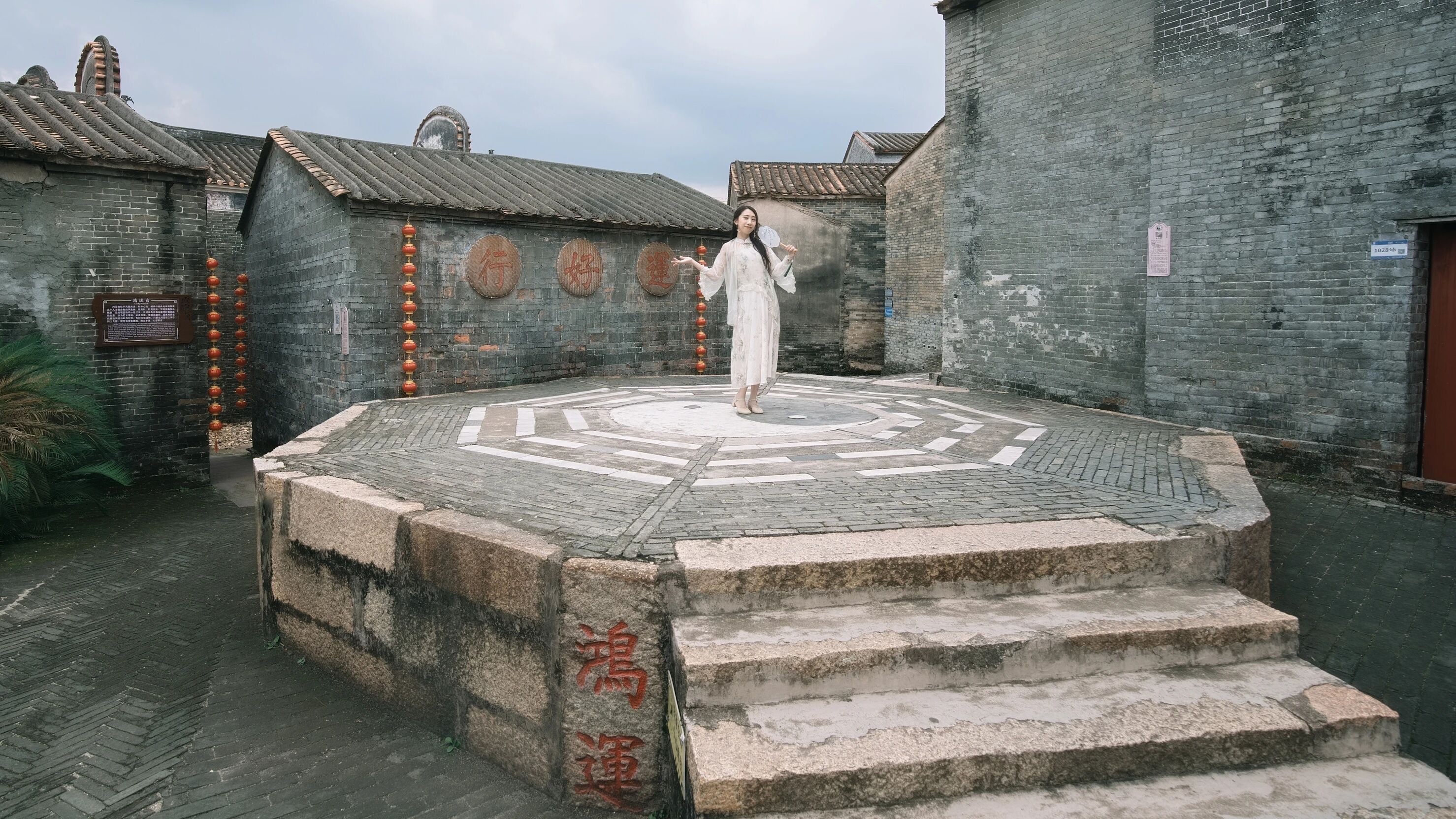
IT'S easy to spot Liu Hehua in a crowd. The 51-year-old Hakka woman from Shenzhen always wears han fu, the ancient clothing worn by the Han ethnic group for millennia.
Liu said the buttonless clothing, which features wide sleeves and layered loose robes, is comfortable and elegant. Beyond the fashion statement, her love for these clothes is part of her search for cultural roots and cultural identity.
There are dozens of han fu fans in Shenzhen, and several hundred in the nation who meet on Han Net, http://www.hanminzu.com. The Web site is managed by "Dahan," the nickname of a man who runs a small company in Shenzhen. "Dahan" and his friends call on the site's users to adopt the ancient dress for major festivals and ceremonies.
Liu has gone even further, wearing han fu every day, at work, at home, on buses. "Shenzhen is a tolerant city. I did not suffer any supercilious glances for wearing han fu," said Liu, who works as an accountant with a Shenzhen company.
Liu patiently answers people's questions about her clothes, which often involves a long explanation of history. She explains that the Han people wore han fu for three millennia before they changed to Manchu style clothes after the Manchurians came to power in 1644. This was eventually replaced by Western dress.
"There are 56 ethnic groups in China but only the most populous one - the Han - does not have its own clothing. And what's worse, few Han people know they used to have one. It's a pity that such an old ethnic group knows so little about its own traditions," said Liu.
To her surprise, some foreigners know about han fu. When her daughter wore han fu while teaching English in Yunnan last year, her foreign coworkers immediately recognized her clothes as Han.
Liu found out about han fu in 2003, when she discovered Han Net. At its peak, 48,281 people visited the Web site simultaneously.
Her elder daughter, an English major who graduated from Shenzhen University this year, even wore han fu to deliver her graduation thesis.
Han fu is becoming increasingly popular among young people, especially high school and college students, said Liu.
"Han fu is divided into three types - ji fu, worn on extremely formal occasions like paying tribute to ancestors; zhi shen, a causal style; and shen yi, a neutral style. Some students wore zhi shen, and some wore shen yi with curved edges. They did not know ancient Han people never had curved edges on shen yi," said Liu.
An amateur seamstress since she was a teenager, Liu Hehua makes her own han fu. She learned how to make han fu through history books. She found A Research Into Chinese Costumes by 20th century writer Shen Congwen very useful.
She has made more than 50 outfits for her parents, children, relatives, and friends. Now she is making clothes for a private primary school in Suzhou City in East China's Jiangsu Province.
The most important thing in making han fu is choosing colors. "After three centuries, people's tastes have changed. Therefore, the colors and textiles available on the market are different from the past," said Liu. She suggested people choose light colors and modest patterns to avoid making mistakes.
Several online enterprises have started selling han fu, but for now, no tangible stores sell han fu, as entrepreneurs remain uncertain about the size of the market.
Editor: Wing
|